
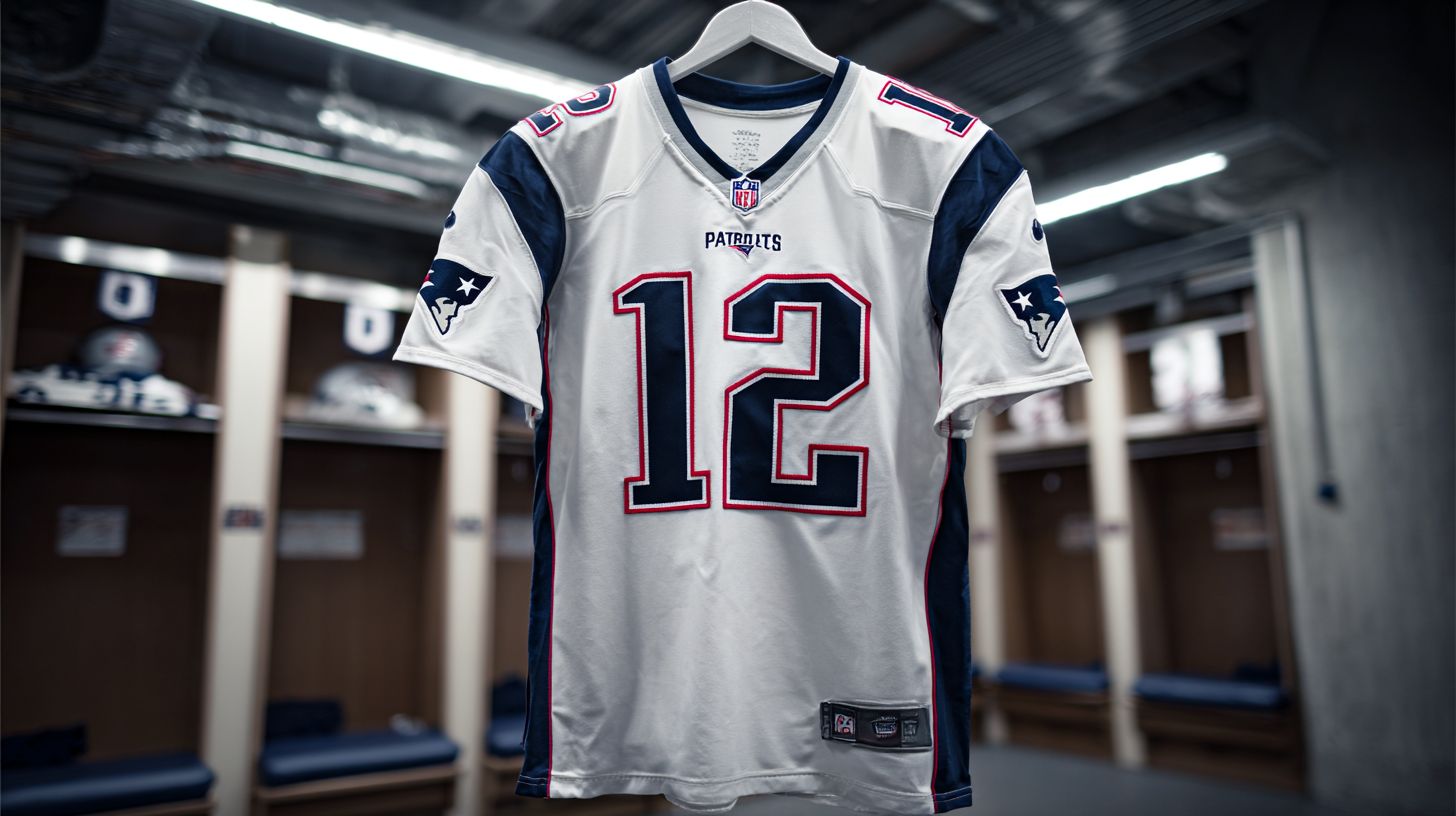
From the gridiron grit of the 1920s to Nike’s cutting-edge innovations, the NFL Jerseys Explained embodies football’s enduring legacy. These iconic garments aren’t just uniforms-they’re symbols of team pride, player heroism, and cultural phenomenon.
Explore their evolution, intricate designs, performance materials, team variations, manufacturing shifts, customization, collector value, and streetwear trends that keep fans hooked.
Discover why certain jerseys command fortunes-and which might grace your collection next.
History of NFL Jerseys Explained

NFL jerseys have evolved from basic wool uniforms in the 1920s to high-tech performance gear, reflecting changes in fabric technology, player safety, and fan culture. Early designs paired with leather helmets gave way to modern Nike Vapor jerseys. Key shifts include wool to synthetics in the 1930s, numbering standardization in the 1950s, and logo prominence in the 1970s.
League records note the 1920 Canton Bulldogs jersey weighed around 5 pounds due to thick wool layers. Today’s authentic NFL jerseys drop to about 1 pound with lightweight synthetics. This progression mirrors advances in moisture-wicking fabrics and breathable materials for better player mobility.
Fan interest grew with throwback jerseys and replica designs, blending history with modern performance fabric. Collectors prize vintage pieces like early Dallas Cowboys jerseys or Green Bay Packers jerseys. The shift to Nike jerseys in 2012 introduced features like Flywire for enhanced fit.
These changes support diverse options, from home jerseys to alternate jerseys, catering to fans seeking player jerseys or custom designs. Understanding this history helps appreciate football jersey evolution in team colors and team logos.
Early Evolution (1920s-1950s)
In 1920, the founding NFL teams like the Decatur Staleys wore heavy wool jerseys without numbers, evolving to cotton knits by 1933 when numbers became mandatory. These American football jerseys weighed about 8 ounces and lacked logos. Players endured thick fabrics that absorbed sweat during games.
The 1930s brought required jersey numbers and leather helmets, improving identification on the field. Teams experimented with basic team colors. A 1925 Chicago Bears knit sweater now holds auction value around $500 as rare memorabilia.
By the 1940s and 1950s, team colors standardized across leagues, with hybrids like the 1950 Cleveland Browns leather-wool mix. Pro Football Hall of Fame archives showcase these as foundational gridiron jerseys. Fans today collect replicas for tailgates or displays.
This era laid groundwork for stitched letters and durable stitching. Early designs influenced modern youth jerseys and vintage jerseys, preserving football uniform heritage.
Modern Standardization (1960s-Present)
The 1960 AFL-NFL merger forced uniform standards, introducing polyester blends in 1970 and full synthetic fabrics by 1980. Plastic helmets demanded visible jersey numbers. Rulebook changes, like Rule 5 Section 4 in 1962, set jersey specs for consistency.
The 1970s added first mesh panels for ventilation in NFL team jerseys. 1980s stretch fabrics improved fit over shoulder pads. The 1985 Bears Monsters of the Midway jersey exemplifies bold lettering on performance material.
1990s brought team-specific fonts and tackle twill. Nike’s 2012 takeover introduced Flywire technology in Vapor Untouchable chassis, with laser perforation and bonded seams. These enhance moisture-wicking for quarterback jerseys or wide receiver jerseys.
Today, options span game jerseys, limited jerseys, and elite jerseys with zoned ventilation. Fans choose replica jerseys or authentic ones featuring no-tag labels and contoured fits for game day or fantasy football.
Iconic Jersey Milestones
Key milestones include the 1967 Packers’ G logo debut, 1985 Bears Monsters lettering, and 2012 Nike Vapor Untouchable chassis. These moments shaped iconic NFL jerseys. The 1933 rule change mandated numbered jerseys for better play tracking.
- 1959 Colts championship blue wing design set style trends for primary colors.
- 1975 Steelers 70s font became a throwback favorite with accent colors.
- 1994 49ers Super Bowl XXIX jersey featured championship patches.
- 2020 Chiefs Super Bowl LIV look highlighted modern performance fabric.
A Barry Sanders 1989 rookie jersey fetched $18,000 at auction, underscoring memorabilia value. Collectors seek Super Bowl jerseys or retired player jerseys like Jerry Rice designs. These pair with sleeve stripes, NFL logos, and jock tags.
Milestones influence current custom jerseys and personalized options with player names. Fans display framed jerseys or match family styles, from toddler jerseys to pet jerseys, celebrating football jersey history.
Jersey Design Elements
NFL jersey design balances player identification, team branding, and performance engineering across standardized layouts. Front numbers stand 4-8 inches tall for visibility, while back nameplates measure 2.5 inches high. Sleeve stripes follow NFL Rule 5/4, and shoulder pads integrate seamlessly with reinforced seams.
The NFL Style Guide 2023 requires 75% fabric white space to ensure readability and aesthetics. This applies to Kansas City Chiefs jerseys and Dallas Cowboys jerseys alike. Teams use these rules for home jerseys, away jerseys, and alternate jerseys.
Performance features like moisture-wicking mesh fabric enhance comfort during games. Authentic jerseys prioritize tackle twill for durability, while replicas opt for lighter materials. Collectors value these elements in throwback jerseys and Super Bowl jerseys.
Custom jersey options allow fans to add player names and numbers while adhering to guidelines. Youth jerseys and women’s jerseys scale designs proportionally. This creates versatile sports apparel for tailgates and game days.
Front and Back Layout
Front features large team logo centered above 8-inch numbers; back displays 10-inch numbers with 2.5-inch player name arched above. Front logos measure about 6×6 inches, with numbers up to 48 inches wide. Back numbers reach 10×60 inches for stadium visibility.
NFL Rule 5, Art. 4 bans advertising on layouts, keeping focus on team identity. Take the 2023 Chiefs Mahomes jersey, where ‘MAHOMES’ uses 2.75-inch letters in block style. This setup works for quarterback jerseys and wide receiver jerseys.
Layouts adapt for home jerseys, away jerseys, and color rush jerseys. Performance fabric ensures stretch and breathability. Fans spot these details in New England Patriots jerseys or Pittsburgh Steelers jerseys.
Personalized jerseys follow the same specs for jersey customization. Name and number placement aids quick player recognition. Diagrams in the NFL Style Guide help manufacturers align elements precisely.
Numbering and Lettering Styles
Authentic jerseys use 1.25-inch tackle twill numbers sewn with 12 stitches per inch; replicas use heat-sealed letters. Authentic versions take hours to sew, offering premium feel. Replicas apply in minutes for affordability.
| Style | Material | Application | Price Range |
|---|---|---|---|
| Authentic | Tackle twill | Sewn (2+ hours) | $150+ |
| Replica | Screenprint | 5 min application | $100 |
| Limited | Heat transfer | Quick press | $130 |
Nike specs call for 14oz twill weight on QB numbers, as in Brady #12 block font from NFL Font Family #3. These styles suit elite jerseys and vapor untouchable jerseys. Game jerseys prioritize durability for players.
Choose stitched letters for long-lasting fan gear like Patrick Mahomes jerseys. Heat-sealed options work for youth jerseys and women’s jerseys. Experts recommend authentic for collectors of memorabilia jerseys.
Sleeves and Shoulder Pads Integration
Sleeves feature 3-4 color stripes per NFL rules, with shoulder seams reinforced for pad integration using 1.5-inch seam allowance. Left sleeve holds the 3×3-inch NFL shield, right sleeve the conference patch. Teams like Chiefs use red, white, yellow stripes.
Drop-shoulder cut adds 2 inches pad clearance, aiding athlete movement. This engineering appears in modern Nike jerseys and legacy jerseys. Packers sleeve stripes evolved from 1961 patterns to current designs.
Reinforced seams prevent tearing under pads, vital for practice jerseys and game jerseys. Mesh panels on sleeves boost ventilation. Fans notice these in Green Bay Packers jerseys during playoffs.
Integration supports performance fabric with stretch and drying speed. Custom jerseys maintain these for authentic look. Shoulder pads design enhances fit in men’s jerseys and slim fit options.
Nameplates and Patches
Nameplates measure 14 inches wide x 2.75 inches tall using tackle twill; patches include NFL shield (3 inches), conference logo (2.5 inches), Super Bowl numerals (4 inches). Placement puts nameplate 1 inch above numbers, NFL patch 2 inches from sleeve cuff. Up to 27 patches per team possible.
The 2020 Buccaneers Brady jersey showcases 5 patches: NFL, NFC, Super Bowl LV, Tampa Bay, #12. These add value to championship jerseys and conference championship jerseys. Jock tags and union logos complete details.
Patches use embroidered edges for durability on moisture-wicking fabric. Super Bowl patches elevate collectible status. Apply to rookie jerseys or retired player jerseys like Jerry Rice styles.
Verify authentic verification via NFL holograms on official patches. Nameplates in block fonts match jersey numbers. This setup shines in framed jerseys and jersey displays for collectors.
Materials and Construction
Modern NFL jerseys use 100% recycled polyester with 4-way stretch, evolving from 100% nylon game jerseys of the 1990s. Nike’s Vapor FUSE fabric, made from 84% polyester and 16% spandex, makes these American football jerseys about 20% lighter than the 2012 model. A DWR coating helps repel water effectively.
This performance fabric supports players in demanding conditions. For fans, it means moisture-wicking properties keep you dry during tailgates or watch parties. Think of a Dallas Cowboys jersey staying comfortable in stadium heat.
Construction focuses on durability and fit. Reinforced seams and bonded designs reduce weight while maintaining shape. Custom jerseys with player name and jersey number benefit from this tech for long-term wear.
From home jersey to throwback jersey, materials ensure versatility. Eco-friendly recycled polyester appeals to sustainable fans buying team logo gear. Proper care extends life for any Nike jersey.
Fabric Types (Nylon, Polyester, Mesh)
Game jerseys use 4oz nylon mesh panels with 85% nylon and 15% spandex. Fan replicas rely on 150g/m polyester knit for everyday comfort. These choices define authentic jersey versus replica jersey feel.
| Fabric Type | Composition | Price Range | Stretch Level |
|---|---|---|---|
| Game | 100% nylon | $250 | 0.2% stretch |
| Elite | 84% poly/16% spandex | $150 | 15% stretch |
| Replica | 100% polyester | $100 | 8% stretch |
Mesh panels at 120 threads per inch boost airflow in player jerseys. A Kansas City Chiefs jersey with mesh stays breathable. Polyester dominates for youth jersey and women’s jersey options.
Choose nylon for on-field toughness in quarterback jersey styles. Polyester suits casual tailgate jersey wear. Mesh enhances ventilation for active fans.
Performance Features (Breathability, Durability)
Nike’s Dri-FIT ADV wicks moisture faster than standard polyester, paired with laser-perforated vent zones of 500 holes per square inch under arms. This setup excels in breathable material for intense games. Players in Green Bay Packers jerseys stay cool.
- 4-way stretch allows full movement, better than older designs.
- DWR treatment creates water beads at a 90-degree angle.
- Bonded seams cut weight significantly.
- Laser-cut no-tag neck prevents irritation.
Air permeability supports quick drying, ideal for playoff jersey action. Durability handles tackles in running back jersey replicas. Fans notice this during pickup games.
These features make elite jersey options practical for daily use. A Pittsburgh Steelers jersey with zoned ventilation suits long training camp watches. Experts recommend them for active lifestyles.
Authentic vs. Replica Differences
Authentic Game jerseys at $325 feature sewn tackle twill and flywire seams. Replica Fan versions at $120 use screen-printed numbers for affordability. This split caters to collectors and casuals alike.
| Feature | Authentic | Replica |
|---|---|---|
| Letters/Numbers | 1.25″ twill | Heat-seal |
| Seams | 14oz, reinforced | 8oz |
| Tag | Jock tag included | No jock tag |
| Weight | 15.2oz | 11.4oz |
Authentics endure more washes, suiting jersey collectors. Replicas offer lighter weight for game day jersey comfort. A New England Patriots Tom Brady jersey authentic version holds up to heavy rotation.
Opt for authentic in Super Bowl jersey for display value. Replicas work for fantasy football jersey fun. Both use stitched letters or prints matching team colors.
NFL Team Jersey Variations
Each NFL team produces 4-6 jersey variants annually: home (dark), away (white), alternate (color/pattern), plus Color Rush and throwbacks. With 32 teams offering about five variants each, fans enjoy over 160 designs per year. The NFL mandates home jerseys in dark primary colors and away in white for most games.
Teams follow the 2023 NFL Style Guide, which allows 12 franchises to wear throwback jerseys. These variations include authentic jerseys with tackle twill numbers and replica jerseys in performance fabric. Collectors seek limited editions like player jerseys with moisture-wicking mesh.
Alternate designs often feature unique patterns, such as striped sleeves or color pops. Home jerseys dominate 75% of games, while away and alternates add variety for tailgates and watch parties. Nike crafts these as vapor untouchable jerseys with laser-perforated ventilation.
Fans customize NFL team jerseys with names and numbers via official NFL shops. Options span youth jerseys, women’s cuts, and big sizes like extra large. Throwbacks revive classic looks, pairing well with 59fifty jersey caps for game day outfits.
Home, Away, and Alternate Designs
Home jerseys feature primary team colors (e.g., Cowboys navy/silver); away defaults white with color accents; alternates showcase third colors (e.g., Eagles black). Dallas Cowboys home jerseys use navy with silver stars, perfect for game day jerseys. San Francisco 49ers pair red home with gold alternates.
Kansas City Chiefs red follows Pantone PMS 186C for consistency in authentic jerseys. Usage rules require dark home jerseys for most games, ensuring visibility on the field. Away whites include team logos and jersey numbers in bold tackle twill.
Alternate jerseys add flair, like Pittsburgh Steelers’ black with yellow stripes. These suit fantasy football jerseys or tailgate parties. Nike’s performance fabric offers stretch and breathability for fans.
Choose based on fit: athletic slim for action or relaxed for comfort. Pair a Dallas Cowboys jersey home version with jeans for casual wear. Verify NFL holograms on licensed merchandise from Fanatics or NFL shop.
Color Rush and Throwback Editions
Color Rush (2015-2018) used single-color uniforms (e.g., all-black Steelers); throwbacks revive pre-2000 designs. The program ran 64 games before revival in 2023. Teams limit throwbacks to two per game under NFL rules.
Examples include the 1994 Packers ‘Green Bay’ script and 1970s Bills powder blue. These throwback jerseys appeal to collectors seeking vintage vibes. Color Rush emphasized bold, uniform looks like all-red Chiefs.
Modern versions use recycled polyester for eco-friendly appeal. Fans wear them as tailgate jerseys or for jersey swaps at games. Mitchell & Ness offers high-quality replicas of classic designs.
Spot fakes by checking stitched letters and jock tags. Pair a Green Bay Packers jersey throwback with retro pants for full nostalgia. These editions boost jersey collector displays with framed options.
Special Event Jerseys (Super Bowl, Pro Bowl)
Super Bowl jerseys add championship patch (4″ Roman numerals); Pro Bowl features flag logos and ‘Pro Bowl’ chest script. Super Bowl patches sit on the left chest, marking victory. Pro Bowl sleeves display international flags for global appeal.
Las Vegas Super Bowl jerseys included Buccaneers tertiary logos. Conference championships skip patches, keeping designs clean. Limited runs, like 1,000 player-issue jerseys, make them rare memorabilia jerseys.
These suit Super Bowl party jerseys or hall of fame displays. Look for NFL logo, conference patches, and sleeve stripes. Tom Brady jerseys from Super Bowls command high resale value among fans.
Pro Bowl editions offer breathable mesh for all-day wear. Customize with player names like Patrick Mahomes for MVP vibes. Store in climate-controlled cases to preserve signed jerseys or patches.
Manufacturers and Licensing
Nike holds exclusive NFL jersey rights since 2012 with a major deal, following Reebok from 2004 to 2011 and Adidas eras before that. This shift marked key changes in American football jersey production and design. Manufacturers focus on performance features like moisture-wicking fabric for player jerseys and fan replicas.
Reebok took over in 2002 after Adidas held the license from 1999 to 2001, bringing innovations in stitching and materials. Each era influenced NFL team jersey styles, from tackle twill letters to modern stretch fabrics. Fans notice differences in authentic jerseys versus replicas during game day.
Fanatics now manages e-commerce licensing for NFL shop, partnering with Nike for manufacturing. This setup ensures official licensed merchandise like custom jerseys with player names and numbers. Collectors value these for team logos and Super Bowl patches on items like Dallas Cowboys jerseys or Pittsburgh Steelers jerseys.
Understanding these partnerships helps buyers spot genuine NFL apparel. Look for NFL holograms on elite jerseys and Fanatics tags on replicas. This knowledge aids in choosing between home jerseys, away jerseys, or throwback designs for tailgates or fantasy football leagues.
Nike Era (2012-Present)
Nike introduced ‘Elite 51’ in 2012, which was lighter, followed by ‘Vapor Untouchable’ in 2015 with more stretch, and ‘Vapor FUSE’ in 2020 using bonded construction. These Nike jerseys feature Flywire in 2012, 4-way stretch by 2015, and recycled polyester since 2019. They weigh less than previous models, improving comfort for fans wearing quarterback jerseys or wide receiver jerseys.
The performance fabric in Nike’s lineup includes mesh fabric and laser perforation for breathability. Examples include Kansas City Chiefs jerseys with zoned ventilation or New England Patriots jerseys in vapor untouchable style. These suit game day wear, from regular season to playoff jerseys.
Innovations like no-tag neck labels and contoured fits draw from athlete feedback. Nike’s elite jerseys use durable stitching and reinforced seams for long wear. Fans pick these for authentic jersey feels in sizes from youth jerseys to extra large jerseys.
Practical tip: Match your Nike jersey to team colors for tailgate parties. Opt for limited jerseys with heat-sealed nameplates for quick drying after workouts. This era defines modern football uniform evolution with sustainable options like recycled polyester jerseys.
Previous Providers (Reebok, Adidas)
Reebok’s 2004-2011 ‘Game’ jerseys used nylon and spandex for stretch, while Adidas from 1999 to 2003 featured ‘3-Stripes’ on shoulders. Reebok added edge stitching for durability, seen on iconic 2008 Steelers Super Bowl XLIII jerseys. These differed from Nike’s sleeker designs in fabric blend and fit.
Adidas jerseys had logo placements on shoulders, often in team primary colors. Reebok’s models used stitched letters and sleeve stripes for a classic look. Collectors seek Green Bay Packers throwback jerseys or Pittsburgh Steelers championship jerseys from these times.
Compared to Nike, Reebok jerseys had traditional v-neck collars and drop tail hems. Adidas emphasized athletic fits with polyester blends. These eras laid groundwork for retro jerseys popular among jersey collectors today.
When hunting vintage pieces, check for tackle twill and jock tags as authenticity markers. Pair a Reebok-era jersey with modern accessories for fantasy league outfits. This history enriches appreciation of NFL jersey evolution.
NFLPA and Fanatics Partnerships
Fanatics, since 2018, handles NFL Shop e-commerce, while NFLPA licenses player likenesses for jerseys. This structure involves Fanatics for retail, Nike for manufacturing, and NFLPA for player names. Examples include Fanatics Branded replica jerseys with team logos and jersey numbers.
The partnership ensures official NFL jerseys feature accurate player names like Patrick Mahomes or Tom Brady. Fanatics offers customization for personalized jerseys in men’s, women’s, or youth sizes. This covers everything from Super Bowl jerseys to preseason designs.
Revenue flows through these ties, supporting licensed sports apparel. Buyers find home jerseys, alternate jerseys, and color rush options easily. Look for NFLPA union logos on authentic game jerseys.
For fans, this means reliable jersey customization with moisture-wicking materials. Shop for family matching jerseys or pet jerseys through these channels. Partnerships guarantee quality in football fan gear for watch parties and beyond.
Player and Customization Options
NFL offers custom jerseys ($160+) with 15-character names and 00-99 numbers across all 32 teams. The Nike Custom ID program at NFLShop.com lets fans create personalized American football jerseys with a quick 48-hour turnaround. Opt for the tackle twill option to add $40 for authentic stitched letters and numbers that mimic game-day quality.
Choose from home jersey, away jersey, or alternate designs for your favorite NFL team jersey, like a Dallas Cowboys jersey or Kansas City Chiefs jersey. Add patches such as Super Bowl patches or conference patches for a championship jersey look. This setup suits game day jersey needs or as a fantasy football jersey.
Customization extends to player name and jersey number, perfect for rookie jersey or retired player jersey styles. Performance fabric with moisture-wicking material keeps it comfortable for tailgate jersey wear. Experts recommend checking team logo placement for an official NFL jersey feel.
Whether building a personalized jersey or memorabilia jersey, options cover quarterback jersey, wide receiver jersey, or running back jersey fits. Pair with sleeve stripes and nameplate for a vapor untouchable jersey vibe. It’s ideal for jersey collectors seeking licensed merchandise.
Custom Jersey Features
Customize with any name (15 chars max), numbers 00-99, team of choice; authentic twill upgrade available. Start by selecting Game jersey or Replica jersey style on the official NFL shop. Enter your player name and jersey number next for a tailored football jersey.
Step three involves choosing jersey patches like NFL logo or division winner jersey accents. Orders ship in 3-5 days with no offensive language allowed. Base price sits at $159.99 for a Nike jersey ready for the gridiron.
- Select style like limited jersey or elite jersey.
- Enter name and number for custom jersey personalization.
- Add tackle twill or heat-sealed options.
- Review and ship your personalized NFL jersey.
Restrictions ensure clean designs, fitting for youth jersey or women’s jersey. Stitched letters provide durability over screen printed versions. This process yields a touchdown jersey for any fan.
Player-Specific Editions
Player jerseys feature exact on-field names/numbers: Mahomes #15, Brady #12, with position-appropriate cuts (QB slim fit). Top sellers include Patrick Mahomes jersey at $165, Hurts, and Allen editions. These match Nike jersey standards with team colors and shoulder pads design hints.
Retired legends shine in Tom Brady Authentic jersey at $325, using nameplate specs from game jerseys. Options like Jerry Rice jersey or Barry Sanders jersey offer throwback jersey appeal. Game jersey fabrics include mesh fabric for breathability.
Find Super Bowl jersey or MVP jersey variants with precise player name and jersey number. Cuts vary for athletic fit in quarterback jersey or relaxed fit for others. Collectors value these for jersey display or signed jersey potential.
Editions cover Aaron Rodgers jersey, Lamar Jackson jersey, or Joe Burrow jersey with reinforced seams. Pair with Pro Bowl jersey patches for All-Pro jersey style. Authentic verification via NFL holograms confirms quality.
Sizing and Fit Standards
NFL sizing: S-5XL (chest 34-60″), Women’s S-3XL (separate cut), Youth S-XL (6-16 years). Men’s medium fits 38-40″ chest with 31″ length, Game fit adding 1″ sleeve. Check jersey size charts for large jersey or extra large jersey accuracy.
Women’s jerseys feature contoured hem and v-neck collar for better shape. Youth jerseys suit family matching jerseys, from toddler jersey to girl’s jersey. Athletic fit options like slim fit work for performance fabric needs.
| Category | Size Range | Key Features |
|---|---|---|
| Men’s | S-5XL | Drop tail hem, crew neck |
| Women’s | S-3XL | Contoured fit, zoned ventilation |
| Youth | S-XL | Breathable material, durable stitching |
Enjoy a 365-day return policy for size exchanges on official NFL jersey purchases. Fabric blend like polyester jersey ensures stretch fabric comfort. Practical for game day jersey or travel jersey packable use.
Collecting and Market Value
Game-worn NFL jerseys average $2,500 at auction; PSA/DNA authenticated pieces reach $50,000+. The annual memorabilia market hits around $500 million, with game-used items fetching up to 10 times the value of replicas. Heritage Auctions data shows strong demand for authentic jerseys from star players.
Collectors prize game jerseys for their direct link to gridiron history. A Tom Brady Super Bowl jersey or Patrick Mahomes playoff piece often drives bidding wars. Focus on authentication to avoid fakes in this competitive space.
Building a collection starts with understanding rarity tiers and market trends. Rookie year or championship NFL jerseys hold the best resale potential. Store them properly to maintain value, using acid-free displays for signed jerseys.
Secondary markets offer opportunities for jersey flipping, but verify provenance first. Pair player jerseys with patches like Super Bowl logos for added appeal. Experts recommend starting small with throwback jerseys to learn the ropes.
Rare and Game-Worn Jerseys
Game-worn jerseys from MeiGray-authenticated sources command premiums: Jordan 1998 Finals jersey sold $2.9 million. In the NFL world, rarity drives value with tiers like rookie year game-worn at $10,000+, championship pieces at $25,000+, and signed Hall of Fame items at $50,000+. Look for MeiGray tags or PSA/DNA slabs.
A 1985 Bears Payton game jersey fetched $18,500 due to its tackle twill lettering and provenance. Super Bowl jerseys from winners like the Dallas Cowboys or New England Patriots top collector lists. Authentication ensures your football jersey investment pays off.
Prioritize game-used authentic jerseys over replicas for long-term appreciation. Check for jersey patches, sweat stains, and player tags as proof of use. Hall of Fame signed jerseys, such as those from Jerry Rice, add signature prestige.
Practical tip: Attend auctions for memorabilia jerseys and compare against recent sales. Store in climate-controlled spaces to preserve mesh fabric and stitching. This approach builds a standout NFL jersey collection.
Marketplaces (eBay, NFL Shop)
eBay sells 1.2 million NFL jerseys yearly ($300 million volume); NFLShop.com moves 5 million units ($600 million). eBay offers authentics from $200 to $50,000 but carries fake risks, while NFL Shop guarantees official Nike jerseys at $120 to $325. Goldin Auctions handles high-end game jerseys.
A Mahomes game jersey lists around $1,800 on secondary markets. Use eBay’s verified authentic program for safety on quarterback or wide receiver styles. NFL Shop excels for team logo accuracy in home, away, or alternate versions.
Compare platforms for replica jerseys versus elite game pieces. Goldin suits collector editions like Barry Sanders throwbacks, while NFL Shop covers Fanatics jerseys with moisture-wicking fabric. Always check seller ratings and return policies.
Shop smart by filtering for stitched letters and NFL holograms. eBay thrives on variety like Kansas City Chiefs or Green Bay Packers customs, but verify with certificates. This keeps your American football jersey buys secure and valuable.
Cultural Impact and Trends
NFL jerseys generate streetwear sales boosted by crossovers since 2015. Research suggests influencer promotions drive significant revenue in this space. Fashion trends now blend American football jerseys with everyday looks.
Streetwear fans pair throwback jerseys with sneakers for urban outfits. This shift makes NFL team jerseys popular beyond game days. Tailgate and watch parties feature these as game day jerseys.
Modern designs incorporate performance fabric like moisture-wicking mesh. Custom options allow personalized jerseys with fan names. Collectors seek limited edition jerseys for their resale appeal.
Global interest grows with international NFL fans in Europe and Asia. Family matching sets, from youth jerseys to pet versions, enhance group outings. Social media posts amplify jersey hype.
Fashion and Streetwear Influence
Brands like Supreme and Kith resell NFL throwbacks at premium prices. Women’s streetwear jerseys see steady demand in slim fits. These pieces mix with jeans for casual vibes.
Key trends include 90s throwbacks like Bulls or Bears styles. Color Rush jerseys inspire bold street fits with vibrant team colors. Custom name drops let fans add personal touches.
- 90s throwbacks: Pair vintage Bears jerseys with modern sneakers.
- Color Rush fits: Match alternate jerseys with cargo pants.
- Custom drops: Stitch favorite player names on replica jerseys.
Influencers showcase player jerseys from quarterbacks to wide receivers. Accounts highlight outfits for tailgates or fantasy leagues. This drives interest in authentic jerseys and replicas alike.
Popular Designs by Era
Top all-time designs rank by fan favorites across decades. 1980s Bears jerseys lead with bold shoulder pads designs. 1990s Cowboys follow for their star power.
- 1980s: Bears and 49ers with tackle twill numbers.
- 1990s: Cowboys and Packers in home and away jerseys.
- 2000s: Patriots Super Bowl championship jerseys.
- 2010s: Seahawks with vibrant team logos.
- 2020s: Chiefs and Bucs playoff jerseys.
Each era brings unique jersey evolution, from fabric blends to sleeve stripes. Fans collect retro jerseys like Barry Sanders or Jerry Rice styles. Modern vapor untouchable jerseys offer stretch fabric for comfort.
Practical tip: Match era designs to events, like throwback jerseys for alumni games. Verify official NFL jerseys with holograms for authenticity. Display favorites in frames for memorabilia collections.
Frequently Asked Questions
What is an American football jersey NFL?
An American football jersey NFL refers to the official jerseys worn by players in the National Football League (NFL), featuring team logos, player numbers, and names on high-quality fabric designed for the sport.
How do I choose the right size for an American football jersey NFL?
To select the correct size for an American football jersey NFL, refer to the sizing chart provided by the retailer, measure your chest and shoulders, and consider if you want a fitted or looser authentic style.
Are American football jersey NFL items officially licensed?
Yes, genuine American football jersey NFL products are officially licensed by the NFL and Nike or Fanatics, ensuring authentic designs, logos, and quality materials straight from the league.
What materials are used in American football jersey NFL jerseys?
American football jersey NFL jerseys are typically made from breathable polyester mesh fabrics with heat-sealed numbers and letters for durability during games and fan wear.
Can I customize an American football jersey NFL?
Many retailers offer customization for American football jersey NFL jerseys, allowing you to add your name, favorite player’s number, or team colors for a personalized touch.
How should I care for my American football jersey NFL?
To maintain your American football jersey NFL, wash it inside out in cold water, avoid bleach, and air dry to preserve the vibrant colors, logos, and fabric integrity.