
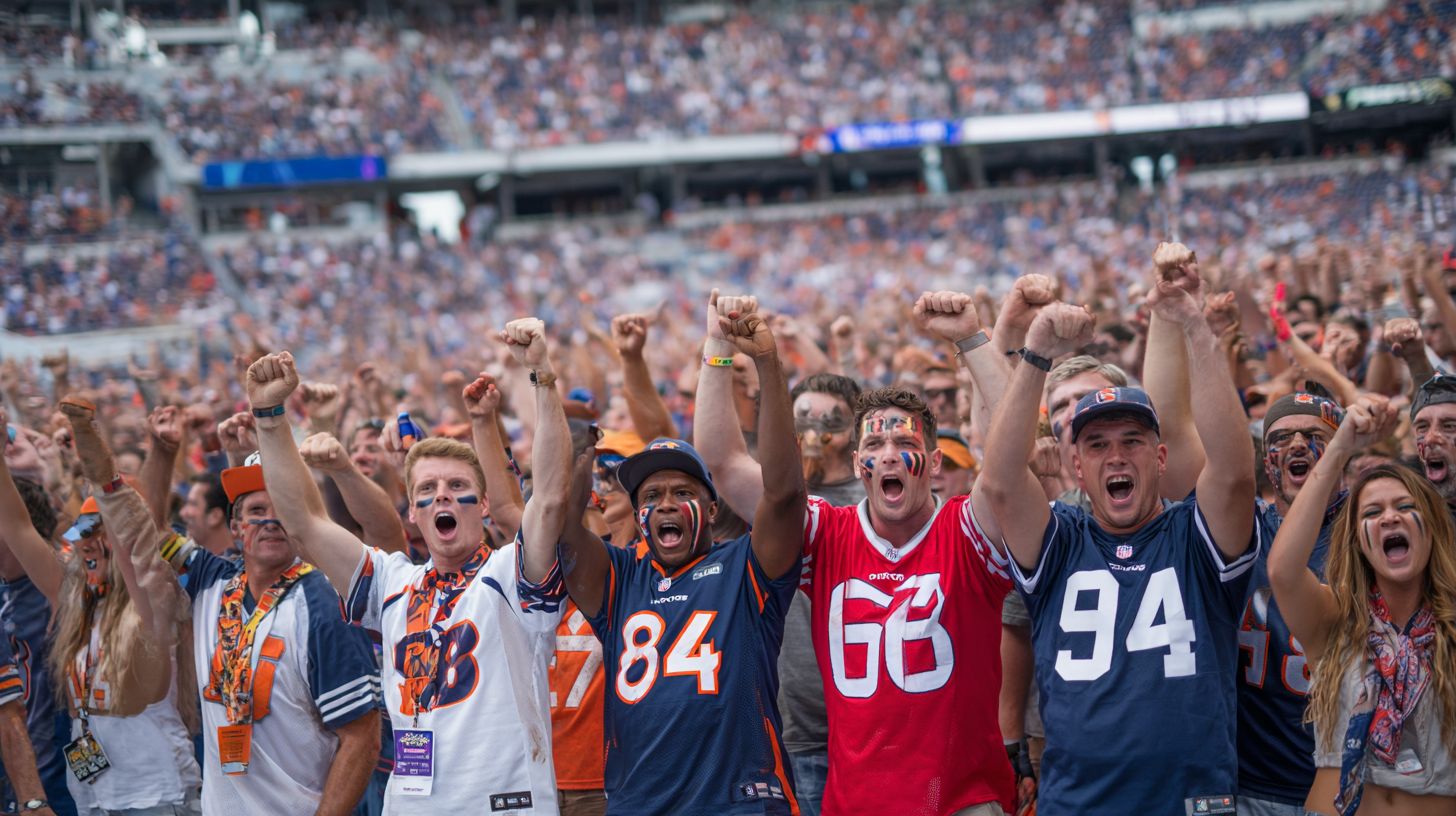
Amid thunderous cheers and painted faces, American Football Fan Culture Explained transform stadiums into electric cauldrons of passion, a spectacle unmatched in global sports.
This fervor, rooted in college traditions and exploding with the Super Bowl, shapes identities through lifelong loyalties, epic rivalries like Packers-Bears, tailgating rituals, and digital communities.
Explore its evolution, regional quirks, and challenges-uncover why this fan culture captivates millions.
Defining Fandom in American Sports

NFL fandom is defined by emotional investment where fans form deep bonds with their teams, distinguishing it from casual spectatorship. This attachment often shows in player worship, like idolizing a quarterback hero, and personal superstitions such as wearing the same lucky jersey for every game.
Rituals shape game day routines, from tailgating with BBQ ribs and beer pong in parking lots to huddle chants in the stands. Fans create these traditions to build excitement and a sense of community before kickoff.
Social identity emerges through team colors, face paint, and stadium chants that unite supporters. Wearing jerseys or waving foam fingers reinforces belonging, especially in fan sections like the Dawg Pound for Cleveland Browns fans.
Die-hard fans, such as Steelers Nation with their unwavering loyalty through decades, contrast with bandwagon jumpers who join recent Chiefs success. True fans endure losses and rivalries, while converts chase Super Bowl hype without deep roots.
Scale and Passion Compared to Other Sports
NFL fandom dwarfs other US sports with 186 million fans versus MLB’s 90 million according to Statista 2024 data. This massive following generates $16 billion in merchandise sales compared to the NBA’s $10 billion. American football’s reach sets it apart in scale and intensity.
The Super Bowl draws 123 million viewers, far outpacing the World Series at 14 million. This highlights NFL’s national grip, where Sunday game rituals unite fans coast to coast. In contrast, baseball fosters more regional loyalty tied to local teams.
| Sport | Fan Base Size | Annual Revenue | Passion Metric (ESPN rankings) |
|---|---|---|---|
| NFL | 186 million | $16B merchandise | #1 |
| MLB | 90 million | $10B (NBA comp) | #3 |
| NBA | Large urban | $10B | #2 |
| NHL | Regional | Lower | #4 |
ESPN rankings place NFL at #1 for passion, driven by tailgating traditions and stadium chants. Fans don jerseys and face paint, creating electric atmospheres unlike basketball’s arena focus. Soccer’s global passion rivals it, but lacks NFL’s nationwide Sunday devotion.
Unique to American football, fantasy football leagues and Super Bowl parties extend engagement year-round. Rivalries like Steelers Nation versus Raider Nation fuel intense smack talk. This blend of scale and fervor makes NFL fan culture unmatched in the US.
Historical Evolution of Fan Traditions
Fan traditions evolved from college football pep rallies in the 1880s to NFL’s multi-billion dollar spectacle, shaped by cultural milestones. The journey began with the 1869 Princeton-Rutgers game, the first intercollegiate match that drew student crowds. These early gatherings set the stage for chants, cheers, and game day rituals.
Key phases mark this growth. In 1891, Yale introduced the first fight song, ‘Boola Boola,’ igniting school spirit. The 1910s saw the rise of tailgating, with fans grilling hot dogs and BBQ ribs in parking lots before kickoff.
Post-WWII professionalization brought TV exposure, fan sections, and Super Bowl parties. Modern eras feature face paint, jerseys, and stadium chants like the Mexican wave. This evolution turned casual supporters into die-hard fans with superstitions and rivalries.
From bleachers to skyboxes, traditions now include marching bands at halftime and player intros with pyrotechnics, creating electric stadium atmosphere.
Early Days: College Football Roots
College football birthed fan culture with Yale’s 1891 ‘Boola Boola’ fight song and Princeton’s 1889 card stunts, establishing traditions NFL later adopted. The 1869 Princeton-Rutgers game packed wooden stands with rowdy students. These events sparked pep rallies and basic cheers.
By the 1880s, cheerleaders emerged, leading organized yells from student sections. The 1890s brought marching bands that played fight songs during breaks. Fans rushed goalposts after wins in 1908, a ritual echoing in modern field storms.
Early stadiums featured cramped bleachers and fervent end zone crowds, as seen in faded photos of Yale Bowl packed with waving scarves. Students painted faces with war paint and donned team colors. These roots fostered rivalries and loyalty oaths.
Traditions like victory formations and huddle chants started here, influencing pro fans. Alumni rows preserved spirit through generations.
Pro Football Boom Post-WWII
Post-WWII TV boom grew NFL attendance, birthing dedicated fan sections like Pittsburgh’s Steel Curtain. The 1958 NFL Championship, dubbed the Greatest Game, exploded viewership and packed stadiums. Fans adopted jerseys and foam fingers for visibility.
The 1970 AFL-NFL merger unified leagues, boosting rivalries and fan clubs. First Monday Night Football that year drew families to sports bars and watch parties. Raider Nation formed in the 1960s with black outfits and pirate flags.
Bills Mafia roots trace to rowdy tailgates with table smashing. Steel Curtain fans chanted for quarterback heroes amid rising merchandise sales. Parking lot parties featured beer pong and grills.
These developments created die-hard fans versus fair-weather ones, with road warriors traveling for away games. Trash talk and memes amplified the energy.
Super Bowl Era and National Phenomenon
Super Bowl I in 1967 drew modest crowds, evolving to massive viewership and creating a national holiday with watch parties. Tickets jumped from affordable seats to premium prices, reflecting fan loyalty. Halftime shows shifted from bands to stars like Beyonc in 2013.
The first chip commercial in 1967 sparked Super Bowl ads tradition. National anthem moments, including 2019 controversies, heightened cultural stakes. Fans donned Cheeseheads for Packers or joined Dawg Pound for Eagles.
- 12th Man Seahawks fans generate deafening noise.
- Black Hole Raiders intimidate with costumes.
- America’s Team Cowboys draw bandwagon jumpers.
Stadiums host fan zones, kid areas, and beer gardens, with Jumbotron kiss cams and waves.
Modern touches include confetti cannons, drone shows, and mascots like live eagles. Pandemic adaptations featured cardboard cutouts and virtual tailgates, solidifying game day rituals.
Team Loyalty and Identity
NFL loyalty runs generational with fans often inheriting team allegiance from family. This deep connection has psychological roots in shared identity and belonging, strengthening bonds across lifetimes. Economically, it drives billions in season ticket revenue and merchandise sales.
Devotion patterns show fans embracing jerseys, face paint, and game day rituals to express loyalty. Rivalry dynamics amplify this passion, drawing larger crowds to stadiums filled with tailgating and chants. These elements create a vibrant fan culture unique to American football.
Attendance surges in big matchups, with fans traveling as road warriors for away games. Families pass down season tickets and superstitions, turning support into a legacy. This loyalty fuels stadium atmosphere with pyrotechnics, marching bands, and fight songs.
From Cheeseheads to Dawg Pound, fan sections like bleachers and end zones pulse with energy. Halftime shows and player intros heighten the devotion, making every game a celebration of team identity.
Lifelong Devotion and Family Legacies
Packers fans hold a season ticket waitlist since 1960, the longest in US sports, passing tickets father-to-son for generations. This lifelong devotion exemplifies how American football binds families through shared traditions. Kids grow up wearing foam cheese wedges and learning huddle chants.
Examples abound, like Cowboys fans with silver star cards from the 1960s, granting priority access. Steelers families celebrate six Super Bowl wins with multi-generational stories of Steel Curtain glory. These legacies turn fan clubs into tight-knit communities.
Surveys note many attend games to continue family traditions, wearing matching jerseys and grilling BBQ ribs at tailgates. Booster clubs organize pep rallies and pilgrimages, reinforcing bonds. Superstitions, like lucky socks, add personal rituals to the mix.
Die-hard fans shun fair-weather or bandwagon jumpers, proving loyalty through all seasons. From signed helmets to tattoos, memorabilia cements these ties, creating enduring family legacies in NFL culture.
Rivalries Fueling Passion
Packers-Bears rivalry from 1906 fuels generational hatred, boosting TV ratings and stadium energy across 200-plus meetings. Rivalries ignite fan passion with trash talk, memes, and viral fan videos. They transform games into cultural events.
ESPN ranks top rivalries by intensity: Packers-Bears for history, Steelers-Ravens for brutal hits, Eagles-Cowboys for Philly fire. Incidents like Bottlegate in 2001 spark lasting debates and smack talk. Attendance spikes as fans pack bleachers and fan sections.
Steelers-Ravens clashes feature hard-hitting plays, drawing Raider Nation and Steelers Nation into frenzied standoffs. Eagles-Cowboys bring Philly intensity with goalpost rushes and stadium chants. These matchups heighten stadium atmosphere with face paint and flag waving.
Fans clash in parking lot parties or sports bars, sharing hot dogs and beer pong amid rivalry banter. Supporter groups mimic ultras with tifo displays and choreographed banners. Rivalries deepen loyalty, making every snap a battle for pride.
Game Day Rituals and American Football Fan Culture Explained
NFL game days feature 2.5M tailgaters weekly across 30 stadiums, creating $500M economic impact. Fans build an ecosystem of rituals starting in parking lots five hours pre-game. These traditions extend through chants, halftime shows, and sometimes postgame field storms.
Tailgating sets the tone with massive spreads of grills, games, and team colors. Audio traditions like stadium chants create electric atmospheres. Halftime spectacles bring pyrotechnics and performances that unite thousands.
From face paint and jerseys to victory formations after touchdowns, these rituals define fan culture. Die-hard fans wear war paint and carry foam fingers. Rivalries fuel trash talk in bleachers and end zones.
Game day evolves from parking lot parties to stadium atmosphere peaks during player intros. Superstitions like lucky socks add personal flair. This flow captures the heart of American football devotion.
Tailgating Culture
NFL tailgating generates $373M annually with 84% of fans participating (Tailgate Nation 2023 survey). It spans vast areas, like the Rams’ 700-acre lots in Los Angeles. Fans arrive five hours early to claim prime spots near stadiums.
Setup involves tents, RVs, and grills firing up BBQ ribs, hot dogs, and nachos. Regional specialties shine, such as Bills Mafia’s table-smashing antics or Packers fans donning Cheeseheads. Beer pong and cornhole keep energy high.
Grill masters lead the feasts while families paint faces in team colors. Fan clubs organize parking lot parties with memorabilia like signed helmets. This pre-game ritual builds community before gates open.
Logistics include season ticket holders reserving RV camping spots. Die-hard fans form booster clubs for loyalty oaths. Tailgating transitions smoothly into stadium chants and cheers.
Stadium Chants and Songs
Seahawks 12th Man hits 137.5 decibels (Guinness Record), led by coordinated chants shaking stadium foundations. Signature calls include ‘Sweet Caroline’ at multiple teams and ‘Rocky Top’ for Titans fans. ‘Bear Down’ rallies Chicago Bears supporters in the stands.
Audio traditions evolved from 1970s huddle chants to Jumbotron-led waves. Mexican waves and slow claps sweep through bleachers during timeouts. Rival fan sections trade smack talk across aisles.
Fan sections like Dawg Pound for Browns or Black Hole for Raiders amplify noise with drums and flags. Fight songs play after scores, prompting touchdown celebrations. Player nicknames get roared during intros.
These chants create stadium atmosphere unmatched in sports. Away game road warriors chant on pilgrimages. Modern twists include fan cams capturing viral videos of the chaos.
Halftime Shows and Mascot Performances
Super Bowl LVII halftime (Rihanna) reached 121M viewers, while college marching bands like Michigan’s 400-member ‘Mighty Maize’ continue tradition. Pro shows feature pyrotechnics and drone shows in NFL stadiums. College precision marches, like OSU’s Script Ohio, dazzle crowds.
Mascot rivalries entertain, with Phillie Phanatic staging skits against foes. Costumed characters race and dance during breaks. Live mascots lead cheers with spirit squads and cheerleaders.
Halftime spectacles include confetti cannons and light shows in fan zones. Families in kid zones cheer balloon releases. VIP suites and skyboxes get exclusive views of the action.
These performances mirror game day rituals, blending pro flash with college heritage. Marching bands play fight songs in victory formations. Mascots hype the second half, keeping stadium energy alive.
Fan Attire and Symbolism
NFL jersey sales hit $3.2B in 2023 (Statista), with Mahomes jerseys leading at 1.2M units. Fan merchandise has evolved from 1920s leather helmets displayed as trophies to modern NIL deals where college players influence pro team gear. This shift reflects deeper team loyalty in American football culture.
Jersey significance goes beyond clothing, symbolizing player worship and rivalries. Fans wear them to tailgating parties and stadium bleachers, creating a sea of colors. Body art extremes, like full-face paint, show extreme dedication during game day rituals.
Lifestyle integration turns everyday items into fan statements, from painted vehicles to home decor in team colors. These elements build stadium atmosphere with chants, cheers, and superstitions. Preview how jerseys fuel quarterback hero status in the next section.
From foam fingers to signed helmets as memorabilia, attire fosters community at watch parties and sports bars. It bridges generations, with families passing down autographed items. This symbolism strengthens die-hard fans against fair-weather or bandwagon jumpers.
Jersey Culture and Player Worship
Patrick Mahomes jersey sales increased 450% post-Super Bowl LIV, embodying quarterback hero worship. Top sellers like Mahomes, Burrow, and Allen dominate, with fans snapping them up at official team stores. These jerseys represent more than apparel, they signal allegiance in fan sections.
Retirement jersey ceremonies draw massive crowds to stadiums, filling bleachers with loyalty oaths. Fans attend to honor legends, waving flags and singing fight songs. This ritual cements player legacies in American football fan culture.
- Fan pilgrimages to training camps create electric atmospheres with autographs and photos.
- QB halo effect boosts team merchandise, linking star signal-callers to victories.
- Draft day hype spikes sales for rookies, blending fantasy football excitement.
Jersey culture thrives at Super Bowl parties, where wearing a favorite player’s number sparks debates. It fuels rivalries and trash talk, from parking lot parties to end zone celebrations. Experts note this worship drives merchandise sales and stadium energy.
Face Paint, Body Art, and Costumes
Eagles fan painted head-to-toe green for 432 consecutive games holds unofficial loyalty record. Signature looks define teams, like Packers Cheeseheads worn proudly in the stands. These costumes amp up stadium chants and player intros.
Bills Mafia’s face paint leads to wild displays, including table smashing at tailgates. Saints fans sport fleur-de-lis tattoos as permanent symbols of devotion. Body paint evolved from 1970s war paint to Instagram-famous full-body art at games.
- Packers foam cheese wedges unite fans in Lambeau Field’s frozen bleachers.
- Raider Nation’s black hole costumes intimidate foes with skull makeup.
- Seahawks 12th Man waves flags in coordinated tifo displays.
These extremes build supporter groups akin to ultras, with choreographed banners and pyrotechnics. During halftime shows and marching bands, painted fans lead the wave. This visual passion captures viral fan videos and enhances touchdown celebrations.
Team Colors in Everyday Life
Steelers fans dye dogs black-and-gold annually, while Chiefs paint homes red across Kansas City. This lifestyle penetration turns homes into fan zones with team-themed decor. It shows how colors invade daily routines beyond game days.
Home setups feature Chiefs red mailboxes and Packers gold rims on vehicles. Fans customize cars for road trips to away games as road warriors. These touches spark conversations at gas stations and neighborhoods.
- Permanent marks like Steel Curtain tattoos signify lifelong commitment.
- Social media floods with #ChiefsKingdomHome posts of color-drenched spaces.
- Dawg Pound members embed Browns orange in backyards and grills.
Everyday integration fosters fan clubs and booster clubs, with RV camping in team hues. It contrasts die-hard fans who live it daily from fair-weather supporters. This devotion powers season tickets and pep rallies year-round.
Supporter Groups and Organizations
NFL’s 500+ official booster clubs coordinate 2M carpool trips and raise $50M for community causes annually. These groups trace roots to 1930s boosters who rallied support for early teams. Today, they blend tradition with modern passion.
From humble beginnings, fan organizations evolved into structured networks. Supporter groups now handle everything from ticket drives to charity events. They create a backbone for team fan culture.
Official clubs differ from independent crews in oversight and goals. Official ones align closely with teams, while independents bring raw energy. This dynamic fuels stadium atmosphere and game day rituals.
Expect previews of perks like priority seating in official groups. Independent ultras add edge with face paint and chants. Together, they define American football fandom.
Official Boosters and Fan Clubs
Packers’ official fan club (1M members) sells out 81K-seat Lambeau annually since 1960. These clubs offer membership perks like priority tickets and exclusive events. Members enjoy access to player meet-and-greets.
Fundraising stands out as a core benefit. For example, the Cowboys club supports scholarships through drives. Funds aid community causes tied to fan culture.
Road trip coordination helps fans travel to away games. Clubs organize carpools and buses for road warriors. This builds loyalty among die-hard fans.
- Packers Club: Largest with deep Lambeau ties and foam cheese wedges.
- Cowboys Republic: Focuses on America’s Team with massive membership.
- Raiders Legion: Emphasizes Raider Nation pride and travel support.
- Bears Den: Chicago roots with strong charity emphasis.
- Steelers Nation: Pittsburgh loyalty through thick and thin.
Ultra Groups and Independent Crews
Raiders Black Hole (1995 origin) reserves 2K endzone seats with skull face paint and ‘Just Win Baby’ banners. These independent crews operate outside team control. They bring intense energy to bleachers.
Iconic groups shape stadium impact. Browns’ Dawg Pound wears dog masks and howls during plays. Their antics create hostile vibes for opponents.
Seahawks’ 12th Man holds noise records with relentless cheers. Bills Mafia smashes tables in parking lot parties. These traditions amplify game day rituals.
Origins often stem from dedicated pockets of fans. Rules include costumes like body paint and war paint. They lead huddle chants and waves for electric atmosphere.
Digital Age Fan Engagement
NFL social media posts reach 10B impressions annually, with #NFLTwitter trending every Sunday. This digital shift began around 2006 with YouTube highlights and evolved into TikTok challenges that capture touchdown celebrations and fan chants.
Platforms like Instagram and Twitter now drive fan culture through viral clips of stadium atmosphere and player worship. Fans create content from tailgating rituals to Jumbotron kisses, building communities around rivalries and team loyalty.
Online spaces host fantasy football discussions and podcast breakdowns, turning casual viewers into die-hard fans. These tools amplify game day rituals, from face paint tutorials to virtual watch parties during pandemics.
Communities form around fan sections like Bills Mafia or the Dawg Pound, sharing memes and superstitions. This engagement keeps American football vibrant beyond stadium bleachers.
Social Media Hype and Memes
Bills Mafia table smash video from 2018 hit 50M views, launching meme culture in NFL fandom. Fans replicate these stunts at tailgates, blending parking lot parties with online shares.
On TikTok, dances to fight songs rack up massive views under hashtags like #NFL. Users film body paint transformations and touchdown celebrations, sparking challenges that unite team fans.
Twitter trash talk fuels rivalries, with fans posting smack talk before big games. Threads dissect Philly Special baby moments, turning plays into enduring memes.
Instagram captures Jumbotron moments, from kiss cams to foam finger waves. Viral clips of field storms or stadium chants spread fan energy worldwide.
Fantasy Football Communities
67M Americans play fantasy football, creating 62M new NFL fans according to the Fantasy Sports & Gaming Association. This ecosystem turns Sundays into high-stakes events for league members.
Draft parties mimic tailgates, with groups gathering for food and picks. Hosts plan BBQ ribs and beer pong, fostering bonds over quarterback heroes and waiver wire battles.
League apps streamline trades and matchups, sparking waiver wire wars midweek. Communities debate player nicknames and superstitions, deepening engagement with team rivalries.
Research suggests a growing number of female players, shifting the demographic. Fans build loyalty through season-long narratives, blending online chats with Super Bowl watch parties.
Podcasts and YouTube Analysis
Pat McAfee Show averages 2M downloads per episode, influencing betting lines and fan narratives. Its comedy style mixes trash talk with game breakdowns, drawing massive audiences.
Creators like PFF offer analytics on player stats and formations. Fans use these insights for fantasy drafts and to appreciate victory formations or end zone plays.
Channels with millions of subscribers break down every snap in detail. Omniscient breakdowns highlight marching bands and halftime shows, enriching stadium atmosphere views.
Monetization through sponsorships sustains this content boom. Podcasters shape fan culture by debating jerseys, memorabilia, and die-hard traditions like Cheeseheads or Raider Nation.
Regional and Cultural Variations
Fan culture varies regionally with Midwest blue-collar loyalty vs Southern hospitality spectacles. Fans in the heartland show grit through harsh weather attendance and community-driven rituals. Southern supporters emphasize welcoming tailgates and family-friendly game day traditions.
ESPN fanbase rankings highlight these differences, with Packers fans topping loyalty lists for their stadium shoveling efforts. Attendance data reveals geographic passion gaps, like consistent Midwest sellouts despite blizzards. Southern venues buzz with elaborate pre-game feasts that draw crowds from afar.
These archetypes shape American football fandom nationwide. Midwest fans embody work ethic in bratwurst tailgates and bonfires. Southern groups focus on open invitations, contrasting exclusive northern parking lots.
Understanding these variations helps newcomers join local fan sections. Travel to away games as road warriors to experience rivalries up close. Embrace stadium chants and fight songs for authentic immersion.
Midwest Work Ethic Fans
Packers fans shovel Lambeau after 2010 blizzard, embodying Midwest grit. Thousands volunteered to clear snow, showcasing community ownership pride. This stoic dedication sets them apart from flashier regions.
These fans defy extreme weather, attending games in -25 degreesF chills with layered jerseys and face paint. Workmanlike tailgates feature bratwurst grilling and bonfires in parking lots. Vikings and Packers supporters chant huddle cheers without fanfare.
Die-hard fans prioritize loyalty over comfort, filling bleachers for every snap. Superstitions like wearing the same foam cheese wedge persist across generations. Rivalries fuel smack talk in sports bars during watch parties.
Join by packing RV camping gear for season ticket holders’ lots. Participate in booster clubs for pep rallies and memorabilia swaps. Experience the stadium atmosphere through slow claps and national anthem traditions.
Southern Hospitality Tailgates
Saints tailgates feature gumbo feasts for strangers, with Saintsations serving community plates. This openness defines Southern hospitality in NFL fan culture. Falcons and Bucs fans extend similar welcomes.
Highlights include BBQ competitions at Falcons lots and crawfish boils for Bucs games. Open invitations contrast northern exclusive zones, creating family-friendly areas. Grill masters share ribs, hot dogs, and nachos with beer pong setups.
These events build parking lot parties that rival halftime shows. Touchdown celebrations spill into streets with marching bands and confetti cannons. Player worship shines through quarterback hero chants and signed helmets.
Engage by bringing a dish to share at fan zones. Wear team jerseys for kiss cam moments on the Jumbotron. Form supporter groups for choreographed banners and flag waving during player intros.
Commercialization and Fan Economy
The NFL fan economy generates $18B annually, with merchandise alone at $4.5B (2023 Deloitte). This vast business spans jersey sales to luxury suites, fueling team revenues and fan engagement. Fans drive profits through purchases tied to game day rituals and player worship.
Product categories include apparel like jerseys and caps, plus collectibles such as signed helmets and foam fingers. Premium access options, from club seats to skyboxes, offer exclusive stadium atmosphere views. Tailgating gear and memorabilia round out the market for die-hard fans.
Resale platforms amplify this economy, with rare items fetching high prices. Corporations invest in sponsorships for visibility amid chants and cheers. This blend supports fan culture while generating steady income for NFL teams.
Season ticket holders and booster clubs sustain loyalty, blending commerce with traditions like fight songs and halftime shows. Virtual tailgates and AR experiences expand reach during off-seasons.
Merchandise and Collectibles
Tom Brady signed helmet auctioned for $120K (2023 Sotheby’s), while basic jerseys average $120 retail. Merchandise sales form the backbone of fan spending, from official team stores to online platforms. Fans seek items reflecting superstitions and quarterback hero worship.
Popular choices include jerseys, hats, and memorabilia like autographs. Game-used gear appeals to collectors chasing pieces from touchdown celebrations. Face paint and body paint accessories tie into war paint traditions.
| Item | Price Range | Demand | Examples |
|---|---|---|---|
| Mahomes jersey | $100-$200 | High | Retail fan favorite |
| Super Bowl ring replica | $300-$600 | Medium | Display collectible |
| Game-used jersey | $5K-$15K | Very High | Auction rarity |
| Signed helmet | $1K-$150K | Elite | Star player item |
The resale market thrives on platforms for rare finds, boosting value for items from rivalries or Super Bowl parties. Cheeseheads and Dawg Pound fans prioritize unique pieces. This cycle keeps fan zones stocked with fresh options.
Sponsorships and VIP Experiences
NFL skybox leases average $500K/year, with SoFi Stadium suites reaching $2.5M/season. Premium tiers elevate fandom beyond bleachers, offering luxury amid pyrotechnics and player intros. Corporations target these for high-value impressions.
Club seats start access at elevated levels, providing perks like private lounges. Suites accommodate 20-80 seats, ideal for groups enjoying national anthem and marching bands. Sponsor experiences include beer gardens with Bud Light setups for tailgating vibes.
- Club seats: Enhanced views and concessions for dedicated fans.
- Luxury suites: Private catering during halftime shows and victory formations.
- Corporate packages: Networking amid Jumbotron kisses and stadium chants.
ROI draws businesses, offering thousands of impressions per executive amid 12th Man energy. VIP zones feature family sections and kid zones, blending commerce with cheers. Road warriors and supporter groups often upgrade for away game travel.
Challenges in Fan Culture
NFL ejected 8K fans for code violations in 2023, addressing violence and toxicity issues. These incidents highlight ongoing problems in American football fan culture, from physical altercations at stadiums to heated online exchanges. Arrest data from high-profile games shows a pattern of fan violence, while social media sentiment analysis reveals widespread negativity during rivalries.
Traditional game day rituals like tailgating and chants can turn rowdy, leading to ejections and bans. Social platforms amplify trash talk into toxic memes and viral fan videos. This overview sets the stage for examining hooliganism evolution and online challenges in detail.
Leagues respond with stricter policies, but die-hard fans sometimes push boundaries during intense moments like field storms or Super Bowl parties. Experts recommend balancing passion with respect to preserve the stadium atmosphere. Understanding these issues helps fans enjoy rivalries safely.
From bleachers to digital spaces, challenges persist across fan sections and watch parties. Upcoming sections explore specific cases of rowdy behavior and the rise of online toxicity.
Hooliganism and Rowdy Behavior
Eagles-D Cowboys 2023 Brazil game saw 15 arrests, continuing Philly ‘bad boy’ reputation. This incident echoes a history of hooliganism in American football, where excitement spills into chaos. Fans in Eagles green jerseys clashed with rivals, drawing global attention.
Key issues include goalpost rushes, like those in 1990s Michigan games after big wins. Table smashing by Bills Mafia has caused injuries during tailgating celebrations. Rival brawls, such as Packers-Bears clashes in the 1980s, fuel longstanding feuds.
- Field invasions, like the 2004 Lions incident, disrupt games and risk penalties.
- These acts stem from intense rivalries and touchdown celebrations.
- Alcohol at parking lot parties often escalates tensions.
Solutions focus on enhanced security at stadiums and clear fan codes of conduct. Teams promote family sections and kid zones to curb rowdiness. Fans can adopt safer alternatives, like organized fan cams instead of rushing the end zone.
Toxicity in Online Fandom
NFL Twitter toxicity spiked 300% during 2022 playoffs, with 25% of fan interactions negative according to Brandwatch. Digital platforms intensify fan culture problems beyond the bleachers. Trash talk evolves into severe harassment during fantasy football seasons.
Common issues feature death threats to refs and players after controversial calls. Fantasy league participants face personal attacks over draft day picks. Cancel culture pile-ons target athletes for off-field opinions, amplified by memes.
- These behaviors harm the stadium atmosphere even in virtual tailgates.
- Road warriors sharing away game travel stories often spark online brawls.
- Player worship turns sour with quarterback hero backlash.
Mitigation includes league social media guidelines and player mental health initiatives, especially post-Kaepernick era. Fans should pause before posting, focusing on positive fan art or chants. Platforms encourage reporting toxic content to foster healthier discussions.
Frequently Asked Questions
What is American football team fan culture?
American football team fan culture explained: It’s a passionate community of supporters who rally around NFL or college teams, expressing loyalty through tailgating, chants, face paint, jerseys, and game-day rituals that create an electric atmosphere of camaraderie and rivalry.
How do tailgates define American football team fan culture explained?
American football team fan culture explained: Tailgating is a pre-game tradition where fans gather in parking lots with grills, coolers, and music, turning stadium arrivals into massive parties that build excitement hours before kickoff.
What role do superstitions play in American football team fan culture explained?
American football team fan culture explained: Fans often follow lucky rituals like wearing the same socks for winning streaks or sitting in specific seats, believing these quirks influence their team’s fortune on the field.
Why is rivalry so intense in American football team fan culture explained?
American football team fan culture explained: Rivalries like Packers vs. Bears fuel deep-seated animosity, with fans trash-talking, creating memes, and dominating social media, heightening stakes during key matchups.
How has social media changed American football team fan culture explained?
American football team fan culture explained: Platforms like Twitter and TikTok allow fans to share highlights, memes, and reactions instantly, forming global online communities that amplify support and debates year-round.
What traditions embody American football team fan culture explained?
American football team fan culture explained: Iconic traditions include waving team flags, singing fight songs, and post-win celebrations like storming the field in college games, all fostering a sense of belonging and timeless excitement.